
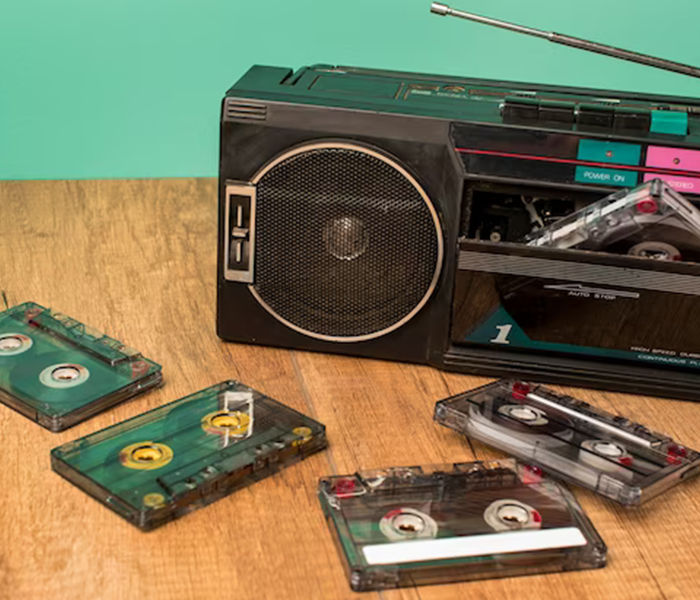
Nostalgia and Innovation
Nostalgia and innovation exist in a delicate dance, often influencing each other in unexpected ways. Nostalgia, a sentimental longing for the past, has a profound impact on our perceptions of innovation. It can serve as both a source of inspiration and a potential obstacle to progress. Innovation often emerges from a desire to improve upon or transcend the past. Engineers, designers, and creators frequently draw on nostalgic elements to evoke familiarity and comfort in their innovations. Products with a retro aesthetic, for example, tap into a collective sense of nostalgia, providing users with a bridge between the past and the present. This interplay between innovation and nostalgia is evident in industries like fashion, technology, and entertainment, where vintage styles are frequently reimagined with modern twists.
However, nostalgia can also be a double-edged sword, hindering the adoption of new technologies or approaches. People may resist change and hold on to familiar ways of doing things, driven by a nostalgic attachment to the status quo. Overcoming this resistance requires innovators to strike a balance between honoring the past and embracing the future, ensuring that advancements are not dismissed solely based on sentimentality. In some cases, innovation itself becomes a source of nostalgia as technologies evolve rapidly. What was once cutting-edge and novel quickly becomes a part of the past, fostering a new wave of nostalgia for recent innovations. This cyclical relationship underscores the dynamic interplay between our yearning for the familiar and our appetite for progress.
Ultimately, the connection between nostalgia and innovation reflects the human experience—a constant tension between the comfort of what we know and the excitement of what could be. It highlights the importance of understanding and navigating the emotional dimensions of technological and cultural change, recognizing that both nostalgia and innovation contribute uniquely to the rich tapestry of human development.